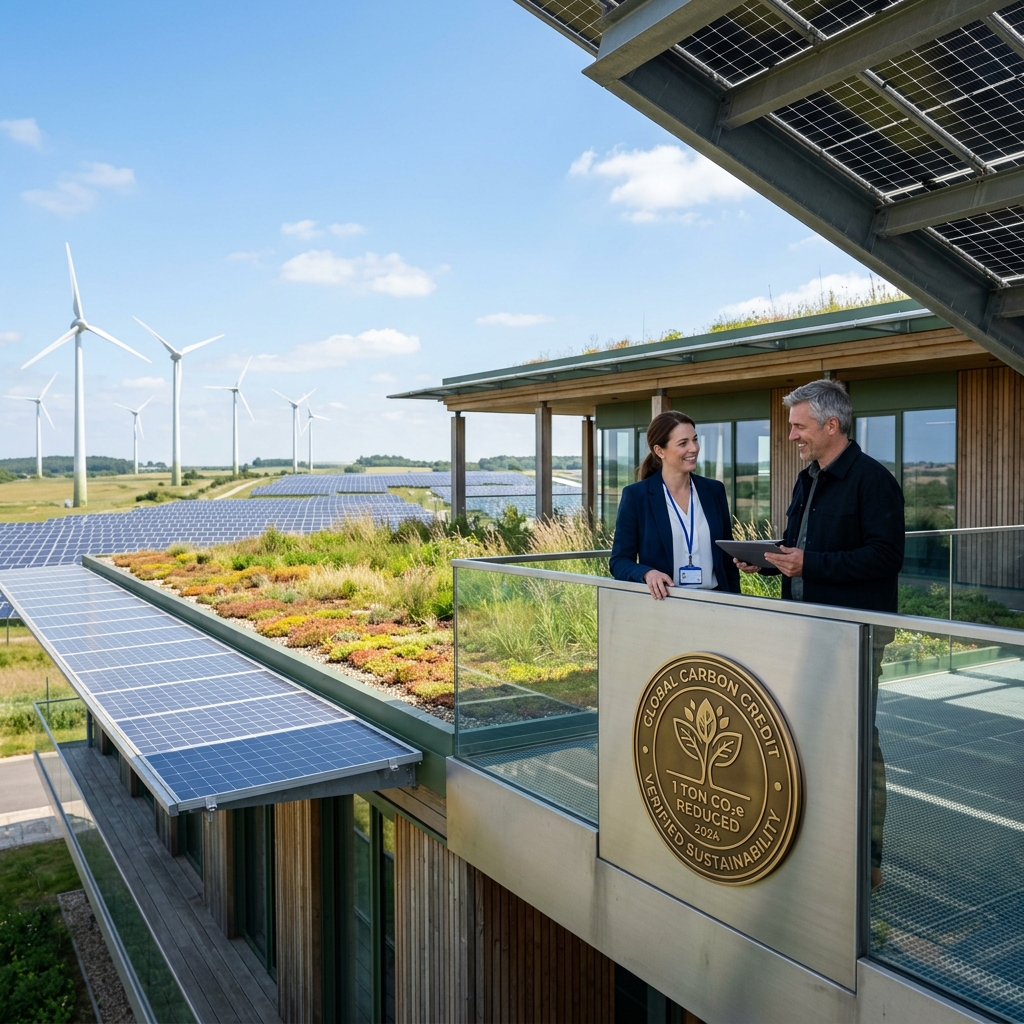
Carbon Footprint & Sustainability in Global Trade
Comprehensive guide to carbon accounting, CBAM compliance, Scope 1-2-3 emissions, and supply chain carbon tracing for commodity traders and industrial exporters.
Carbon emissions are no longer just an environmental concern — they are a trade compliance requirement. The EU Carbon Border Adjustment Mechanism (CBAM), Scope 3 reporting mandates, and ESG investor pressure have made carbon accounting a core business function for commodity traders, exporters, and industrial manufacturers.
At WorldwideTradeX, we help our clients navigate the carbon compliance landscape while maintaining competitive supply chains.
Table of Contents
- CBAM: The Carbon Border Tax
- Scope 1, 2 & 3 Emissions
- Supply Chain Carbon Tracing
- Carbon Footprint Calculator
1. CBAM: The EU Carbon Border Adjustment Mechanism
The EU CBAM entered full enforcement in January 2026, requiring importers of steel, aluminum, cement, fertilizers, hydrogen, and electricity to pay for the embedded carbon emissions in their products.
Who is affected:
- Exporters of covered commodities to the EU
- EU importers sourcing from non-EU countries
- Traders handling CBAM-covered goods in EU supply chains
- Calculate embedded emissions per tonne of product
- Obtain CBAM certificates from EU authorities
- Report quarterly to the EU CBAM registry
- Pay for certificates at the EU carbon price (ETS price)
2. Scope 1, 2 & 3 Emissions
The GHG Protocol divides emissions into three scopes:
- Scope 1: Direct emissions from owned/controlled sources (company vehicles, on-site combustion)
- Scope 2: Indirect emissions from purchased electricity and heat
- Scope 3: All other indirect emissions across the value chain — the largest and most complex category for traders
3. Supply Chain Carbon Tracing
Accurate carbon reporting requires tracing emissions at every step of the supply chain — from mine or farm to end user. This includes:
- Primary production: Mining, refining, agricultural processing
- Transport: Sea freight, road, rail — each mode has a different emissions factor
- Processing: Energy-intensive transformation (steel, aluminum, cement)
- Last mile: Distribution and delivery to end customer
4. Carbon Footprint Calculator
Use our free corporate carbon footprint calculator to estimate your Scope 1, 2, and 3 emissions across transport, manufacturing, and trade operations.
Frequently Asked Questions
What commodities are covered by CBAM in 2026?
CBAM covers: steel and iron, aluminum, cement, fertilizers (urea, ammonia, nitric acid, mixed fertilizers), hydrogen, and electricity. The EU plans to expand coverage to additional sectors after 2026.How is the CBAM certificate price determined?
CBAM certificate prices are linked to the EU Emissions Trading System (ETS) carbon price, which fluctuates based on market supply and demand. In 2025–2026, ETS prices ranged from €50–€80 per tonne of CO₂.Carbon Knowledge Hub
- CBAM 2026: Complete Guide for Exporters
- Scope 1, 2 & 3 Emissions Explained
- Supply Chain Carbon Tracing
- Free Carbon Footprint Calculator
Technical Analysis