Zip Blind Applications: HoReCa, Commercial & Residential Use Cases
Last updated:
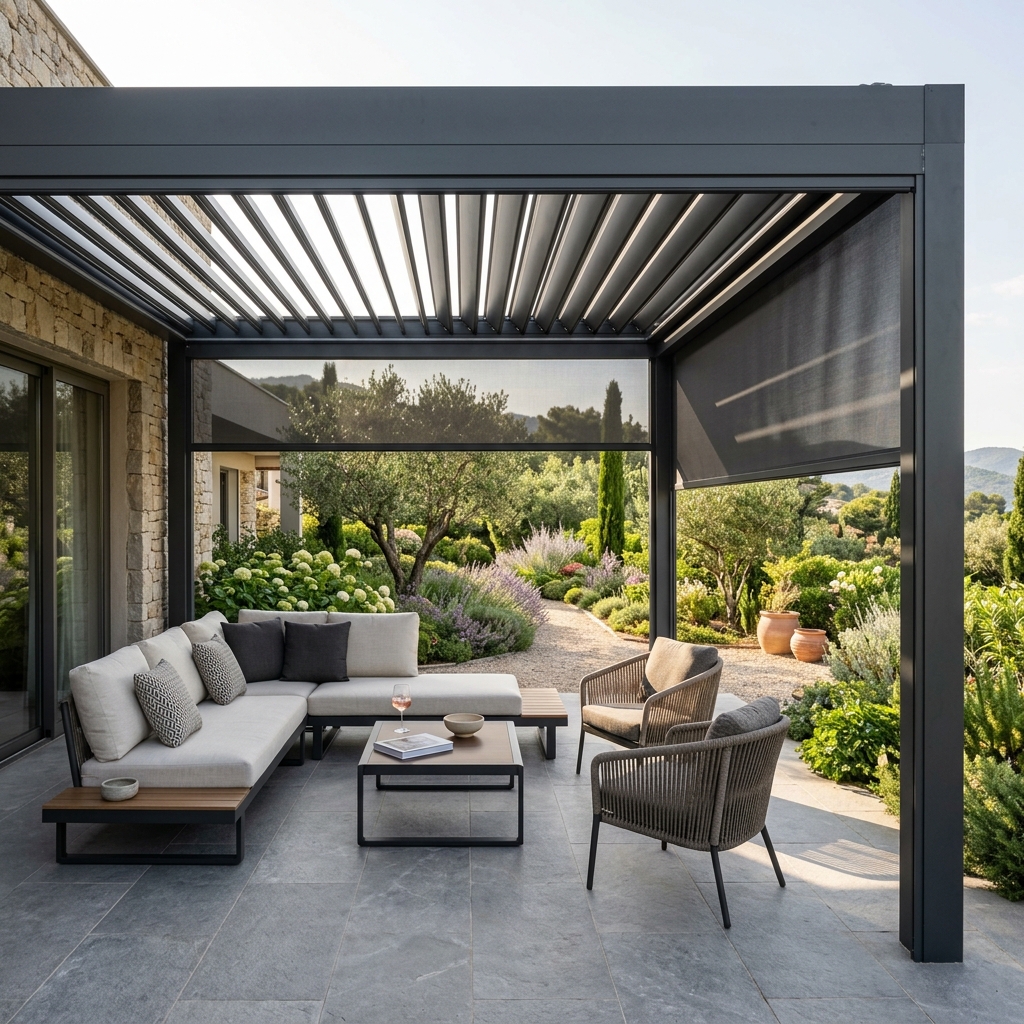
Zip blind systems are used across a wide spectrum of commercial and residential applications. The common thread is the need for outdoor shading that performs reliably in wind, provides UV protection, and operates consistently over years of use. This guide covers the specific requirements, benefits, and specification considerations for each major application category.
HoReCa Applications
Hotels & Resorts
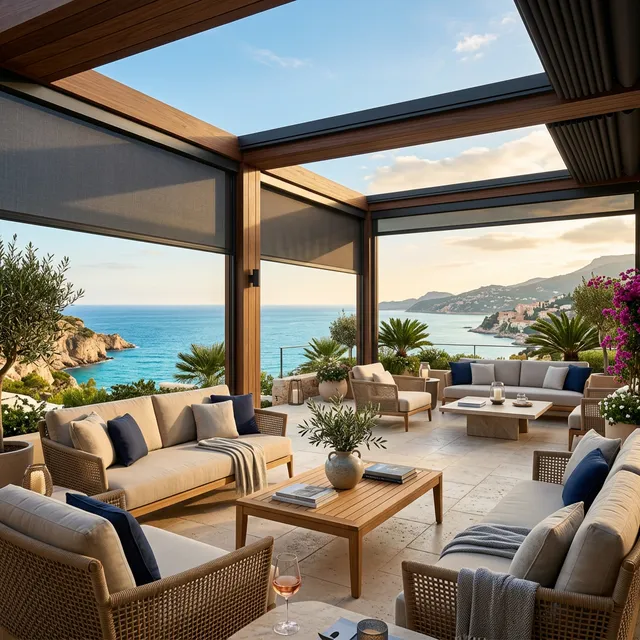
Hotels represent the highest-value application for zip blind systems. Guest comfort, aesthetic consistency, and operational reliability are all critical.
Pool and terrace areas:
- Zip blinds create shaded zones without blocking pool views
- Wind resistance (Class 4–5) essential for coastal and elevated locations
- Motorized systems with wind sensors prevent damage during storms
- Cassette housing protects fabric during off-season
- Year-round outdoor dining capability — the primary commercial driver
- Insect protection eliminates the need for separate insect screens
- Privacy from adjacent buildings or streets
- Branded fabric printing available for premium properties
- Solar control reduces HVAC load in glass-facade lobbies
- Automated systems respond to sun position throughout the day
- Fire-rated fabric (Class B1) required for interior applications
- Minimum Class 4 wind resistance (Class 5 for coastal/elevated)
- Fire-rated fabric (Class B1) for all interior and semi-enclosed spaces
- Motorized with BMS integration for centralized control
- Cassette housing for all permanent installations
Restaurants & Cafés
The restaurant and café sector is the largest market for commercial zip blind systems. The ability to extend outdoor seating season directly impacts revenue.
Revenue impact:
A 50 m² restaurant terrace with zip blinds can operate year-round instead of 6 months, potentially doubling outdoor seating revenue. The typical payback period for a zip blind installation in a restaurant is 1–3 years.
Key requirements:
- Insect protection — complete seal when closed (critical for food service)
- Easy operation — staff must be able to open/close quickly as weather changes
- Durability — high-traffic environments require robust systems
- Aesthetics — fabric color and frame finish must complement restaurant design
- 3–5% openness factor fabric (solar control + insect protection)
- Motorized with remote control (wall switch + handheld remote)
- Wind sensor for automatic retraction
- Cassette housing for fabric protection
Winter Gardens (Kış Bahçesi)
Winter gardens are enclosed outdoor spaces — typically glass-roofed structures attached to a building. Zip blinds are used on the vertical sides to control temperature, privacy, and ventilation.
Thermal performance:
Closed zip blinds on a winter garden create a thermal buffer zone. In winter, this reduces heat loss from the main building. In summer, ventilation through the fabric prevents overheating.
Specification:
- 1–3% openness factor for maximum thermal performance
- Manual or motorized depending on frequency of use
- Consider transparent PVC panels for sections requiring full weather protection
Commercial Applications
Office Buildings
Office buildings use zip blinds primarily for solar control on glass facades. The energy saving benefit is the primary driver.
Energy performance:
A south-facing office facade with 3% openness factor zip blinds can reduce cooling energy consumption by 25–35%. For a 1,000 m² office building, this represents significant annual energy cost savings.
Glare control:
Computer screens are highly sensitive to glare. Zip blinds with 3–5% openness factor eliminate direct sun glare while maintaining daylight — reducing the need for artificial lighting.
Specification:
- Automated with sun sensor (deploy when solar radiation exceeds 300 W/m²)
- BMS integration for centralized building management
- Light-colored fabric (white or light grey) for maximum solar reflectance
Retail & Shopping
Retail storefronts use zip blinds to protect merchandise from UV fading, reduce cooling loads, and create branded outdoor spaces.
UV protection for merchandise:
Direct sunlight causes significant fading of textiles, furniture, and displayed products. A 3% openness factor fabric blocks 95% of UV radiation, protecting merchandise while maintaining visibility from the street.
Branded installations:
Custom-printed zip blind fabric with brand colors, logos, or patterns creates a distinctive storefront identity. This is particularly effective for fashion retailers, restaurants, and premium brands.
Residential Applications
Balconies & Terraces
Residential balconies are the most common application for zip blinds in the residential sector.
Privacy:
Zip blind fabric allows occupants to see outward while preventing visibility from outside — ideal for urban balconies overlooking streets or neighboring buildings.
Wind protection:
Balconies on upper floors experience significant wind. Zip blinds rated Class 3–4 provide comfortable outdoor use in conditions that would otherwise make the balcony unusable.
Specification for residential:
- Manual spring-loaded system (lower cost, no motor maintenance)
- 5–10% openness factor (balance of privacy and view)
- Standard Class 3–4 wind resistance
More Settings Where Zip Screens Are Specified
The categories above cover the main sales channels. These photographs and notes show further places where the same systems are fitted.
Cafés, stores and malls
On café and restaurant terraces, clear and semi-transparent fabrics keep the view while the screen blocks wind, rain and sun, and the closed screen adds some thermal insulation that eases heating and cooling. Stores and malls with strongly sunlit display windows use the screen to break the sun, shield the glass from the weather and save energy.
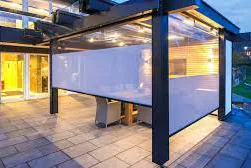
Terrace pavilion lit at dusk with a translucent white screen panel between dark posts
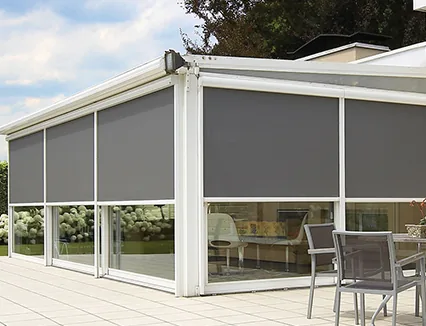
Café terrace enclosed by grey zip screens above glazed sliding doors, with chairs and tables behind
Winter gardens and homes
In a winter garden the screens manage heat and light and keep insects and other unwanted animals out of the living space. Fabric colours can be matched to the house and the garden. On balconies and terraces of houses, estates and villas, the same fabrics give weather protection and privacy, and indoors they can serve as a sun breaker on glass doors and windows.
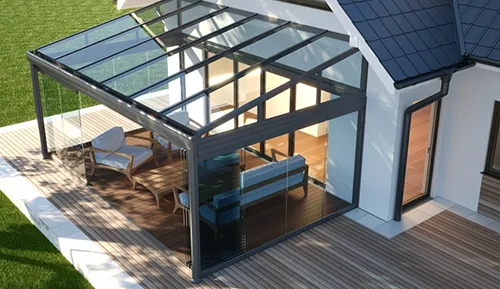
Glass-roof winter garden attached to a house, with dark frame and wooden decking
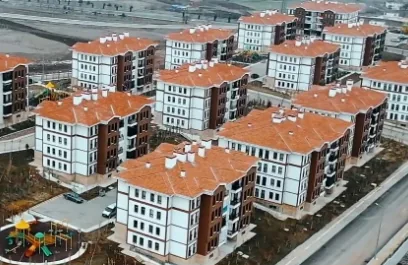
Aerial view of a housing estate of apartment blocks with red tiled roofs and a playground
Garages, holiday villages and hotels
A remote-controlled zip screen can stand in for a garage door where the garage is not fully closed, offering heat control and sun protection. In holiday villages and hotels, screens make outdoor seating and balconies comfortable, with weather cover, privacy and a barrier against insects.
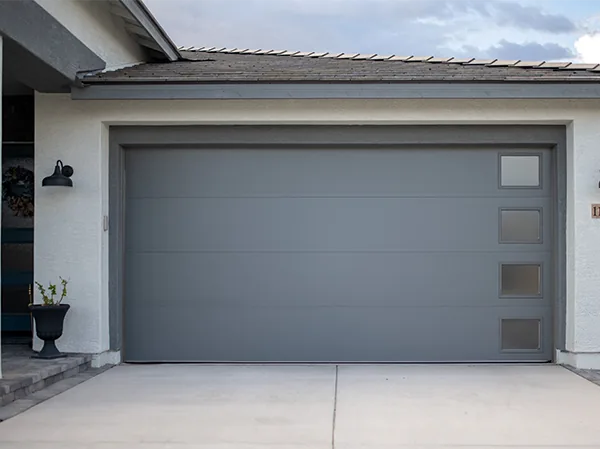
Grey sectional garage door with small windows on a white house front
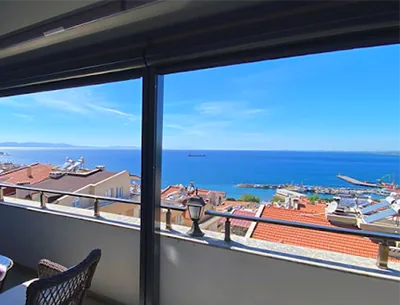
Holiday-village balcony with a sea, harbour and rooftop view through a dark frame
Offices and industrial sites
Offices use screens for sun control, privacy and energy saving, and are especially effective on large glass facades. Depending on the fabric chosen, a screen can also double as a projection surface for projectors. In factories and warehouses, screens keep out dust, dirt and pests and help insulate work areas from heat.
Frequently Asked Questions
Can zip blinds be used in all climates?
Yes. Zip blind systems are designed for outdoor use in all climates, from Mediterranean heat to Nordic winters. Operating temperature range is typically -20°C to +70°C. In very cold climates, ensure the motor is rated for low-temperature operation and that the fabric material is suitable (fiberglass is preferred over PVC in extreme cold).How many zip blind panels can be controlled together?
There is no practical limit. Commercial installations with 50–100 panels are common. All panels can be grouped and controlled simultaneously via a single wall switch, remote control, or BMS command. Individual panel control is also possible for fine-tuning.Do zip blinds provide sound insulation?
Zip blind fabric reduces external noise by 3–8 dB depending on fabric weight and openness factor. This is not significant sound insulation but provides a noticeable reduction in ambient noise — particularly useful for restaurant terraces near busy streets.What is the typical cost of a commercial zip blind installation?
Commercial zip blind systems cost €150–400/m² installed, depending on system type (manual vs motorized), fabric specification, and project complexity. A 50 m² restaurant terrace typically costs €8,000–20,000 fully installed. Contact WorldwideTradeX for project-specific quotations.More Frequently Asked Questions
Do you work with hotel chains and project buyers?Yes — we supply hospitality projects, distributors and multi-property programs.
Can systems be customized to site dimensions?
Yes — measure-based manufacturing is standard for ZIP screens, pergolas and many FF&E items.
What about motors and automation?
Somfy and comparable motor/control packages are available; integration scope defined per project.
Do you ship internationally?
Yes — FOB/CIF/DAP worldwide with export packing suited to the product.
How do we get project pricing?
RFQ with drawings, quantities, finishes and destination port.
For project-specific terms, contact WorldwideTradeX via RFQ.
← Zip Blind Systems: Complete B2B Guide for HoReCa & Commercial Projects